

Introduction
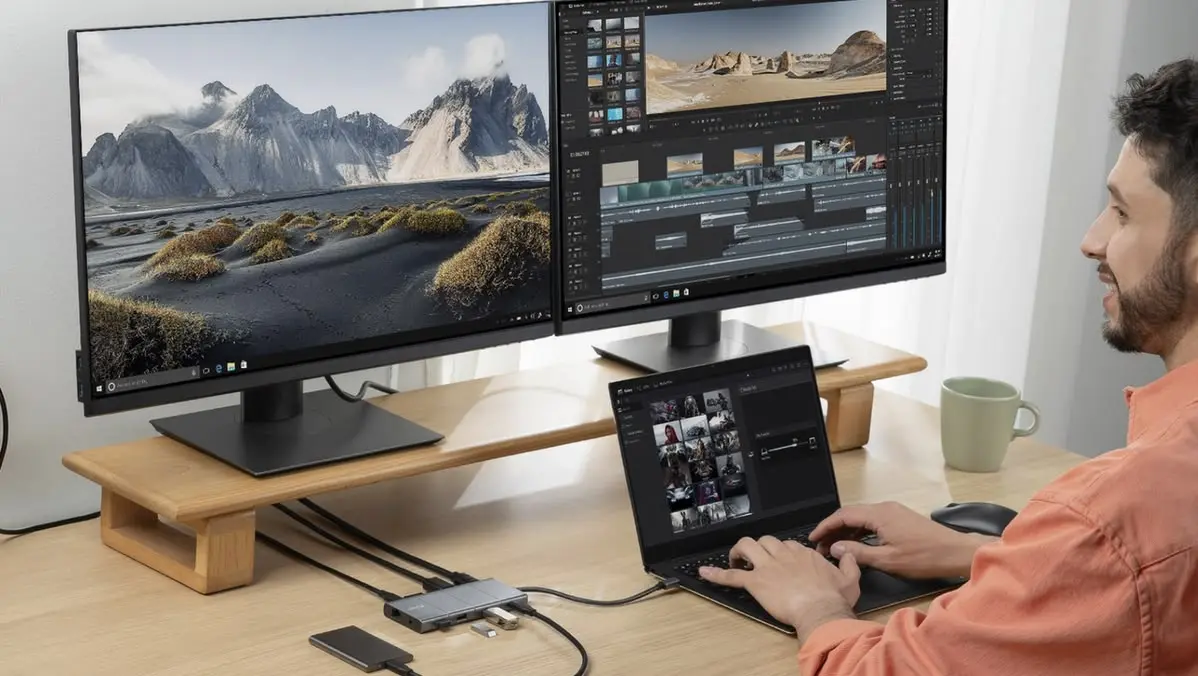
In today’s fast-paced world, having a flexible and portable workspace is no longer a luxury it’s a necessity. Whether you are a student, freelancer, gamer, or business professional, a secondary display can dramatically improve productivity and comfort. This is where a portable monitor comes into play.
A portable monitor is a lightweight, compact, and often USB-powered display that allows you to extend your screen without the bulk of traditional monitors. Unlike stationary monitors, these devices are designed for mobility. You can carry them in your backpack, set them up anywhere, and connect to laptops, tablets, or even smartphones.
In this portable monitor reviews, we will explore what these devices are, why they are becoming increasingly popular, and how to choose the right one for your needs. We will also cover their benefits, potential drawbacks, and expert tips to make the most of your investment. By the end of this guide, you’ll have all the information you need to decide if a portable monitor is right for you.
What is a Portable Monitor?
A portable monitor is a slim, lightweight screen designed for easy transportation and flexible usage. It functions similarly to a traditional monitor but offers mobility that suits modern digital lifestyles. Most portable monitors connect via USB-C or HDMI, with some models also supporting wireless connections.
Key features include:
- Lightweight Design: Typically under 1.5 kg, easy to carry in backpacks.
- Plug-and-Play Setup: No complicated installation; most work instantly when connected.
- Versatile Compatibility: Compatible with laptops, smartphones, gaming consoles, and tablets.
- Built-in Battery (Optional): Some models have internal batteries for true portability.
Portable monitors vary in size from 13 inches to 17 inches, with Full HD or higher resolutions. Some even offer touch-screen capabilities for enhanced interactivity.
Why is a Portable Monitor Important?
A portable monitor is more than just a second screen; it’s a tool that can enhance productivity, creativity, and overall workflow. Here’s why these devices have become essential for modern users:
- Increased Productivity: Dual-screen setups allow multitasking with ease. You can write documents while referencing research on another screen.
- Improved Flexibility: Work from coffee shops, co-working spaces, or even during travel.
- Enhanced Gaming and Media Experience: Stream games, videos, or movies without interrupting your main screen.
- Professional Presentations: Portable monitors are perfect for client meetings or presentations on the go.
- Space-Saving: No need for bulky monitors in small apartments or dorms.
Portable monitors help bridge the gap between mobility and efficiency, making them crucial for remote work, digital nomads, and professionals who often move between workspaces.
Detailed Step-by-Step Guide to Choosing the Best Portable Monitor
Choosing the right portable monitor can feel overwhelming with so many options available. Here’s a step-by-step guide to simplify the process.
Step 1: Determine Your Primary Use
Identify how you plan to use your portable monitor:
- Work: For multitasking, spreadsheets, and presentations.
- Gaming: High refresh rates and low response times are essential.
- Creative Work: Graphic designers need color-accurate displays.
- Travel: Lightweight and battery-powered models are preferable.
Step 2: Decide on Size and Resolution
- Screen Size: 13–15 inches is ideal for portability, while 17 inches provides more viewing space.
- Resolution: Full HD (1920×1080) is standard; 4K is better for detailed work and media consumption.
Step 3: Check Compatibility
- Ensure the monitor supports your device’s ports: USB-C, HDMI, or mini-HDMI.
- Confirm your laptop or smartphone can output video through the chosen port.
Step 4: Evaluate Portability Features
- Weight: Choose a lightweight monitor for travel.
- Foldable or detachable stand: Makes setup easier.
- Built-in battery: Optional, but useful for locations without power outlets.
Step 5: Consider Additional Features
- Touchscreen support
- Anti-glare coating for outdoor use
- Adjustable brightness and color profiles
- Audio support (speakers or headphone jack)
Step 6: Set a Budget
- Entry-level monitors: $100–$150
- Mid-range monitors: $150–$300
- Premium monitors: $300+
Step 7: Read Reviews and Test If Possible
- Look for real user reviews for performance insights.
- Check for warranties and customer support options.
By following these steps, you can narrow down your choices and select a portable monitor that fits your needs perfectly.
Benefits of a Portable Monitor
Using a portable monitor offers several advantages:
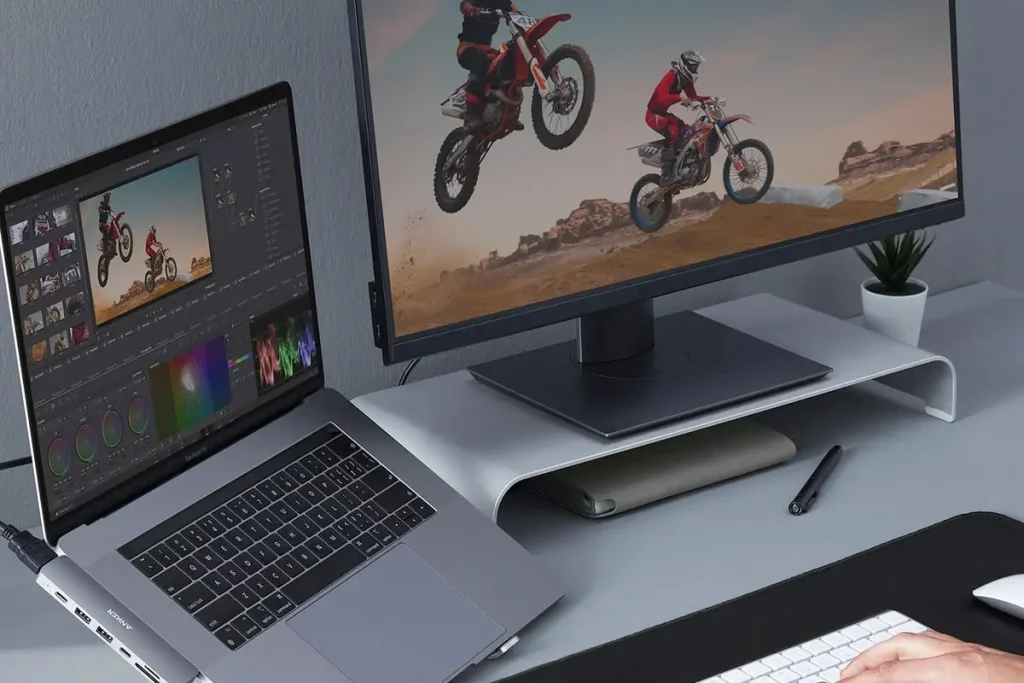
- Enhanced Productivity: Dual screens increase workflow efficiency.
- Portability: Carry and use anywhere.
- Easy Setup: Plug-and-play design saves time.
- Versatility: Works with multiple devices.
- Space Efficiency: Ideal for small desks or shared spaces.
- Better Multitasking: Monitor multiple apps simultaneously.
- Improved Gaming/Streaming Experience: Smooth visuals and better engagement.
Disadvantages / Risks of Portable Monitors
Despite their advantages, portable monitors have some drawbacks:
- Limited Screen Size: Smaller than traditional monitors, which can affect comfort.
- Battery Dependency: Some models require charging or constant power.
- Lower Refresh Rates: Budget models may not be suitable for high-end gaming.
- Limited Ports: Fewer connection options compared to standard monitors.
- Fragility: Lightweight design may make them less durable.
Common Mistakes to Avoid
When buying or using a portable monitor, avoid these pitfalls:
- Ignoring Compatibility: Ensure your device supports the monitor’s connection type.
- Overlooking Screen Resolution: Lower resolution may strain your eyes.
- Buying Only on Price: Cheap monitors may lack essential features.
- Neglecting Portability Factors: Check weight, stand, and battery life.
- Skipping Reviews: Real-world feedback can prevent buyer’s remorse.
- Improper Setup: Using the monitor without proper positioning can reduce productivity.
FAQs
1. Can I use a portable monitor with my smartphone?
Yes, many portable monitors support smartphones via USB-C or HDMI adapters. Check if your phone supports video output.
2. Do portable monitors require a separate power source?
Some models draw power from the device via USB-C. Others require external power or have built-in batteries for portability.
3. Are portable monitors good for gaming?
Yes, but ensure the monitor has a high refresh rate (at least 60Hz) and low response time for smooth gameplay.
4. How do I carry a portable monitor safely?
Use a protective sleeve or case to avoid scratches or damage during transport.
5. Can a portable monitor replace a desktop monitor?
For temporary setups or travel, yes. For long-term productivity, a larger stationary monitor may be better.
6. What is the average lifespan of a portable monitor?
With proper care, most portable monitors last 3–5 years, depending on usage and build quality.
7. Are touch-screen portable monitors worth it?
If you frequently interact with apps or do creative work, touch-screen models add convenience, but they may be slightly heavier and costlier.
Expert Tips & Bonus Points
- Adjust Brightness and Contrast: Reduces eye strain during long work sessions.
- Use a Stand or Case: Keeps the monitor stable on any surface.
- Keep Ports Clean: Dust can affect connectivity.
- Use a Screen Protector: Protects against scratches when traveling.
- Dual Monitor Setup: Pair a portable monitor with your main display for maximum efficiency.
- Check Firmware Updates: Some portable monitors offer firmware updates for better performance.
- Color Calibration: Useful for designers to maintain accurate colors.
Conclusion
In this portable monitor review, we explored how these devices are transforming the way we work, study, and play. They offer unmatched flexibility, allowing users to carry a secondary display anywhere without compromising functionality. With careful consideration of size, resolution, compatibility, and features, a portable monitor can significantly enhance productivity and multitasking.
While there are some disadvantages, such as smaller screens and limited ports, the benefits far outweigh the drawbacks for most users. Portable monitors are not just gadgets they are practical tools that support efficiency, creativity, and mobility.
Whether you are a student, professional, or gamer, investing in a reliable portable monitor can improve your digital experience. Remember to avoid common mistakes, follow expert tips, and choose a model that fits your lifestyle. With the right portable monitor, you can enjoy the convenience of dual screens anywhere, anytime.
